Understanding the Tragic Iowa Lakes Baseball Bus Crash: An Ongoing Investigation
The quiet landscape of Calhoun County, Iowa, was shattered on a recent Wednesday, February 11th, when a bus carrying the Iowa Lakes Community College baseball team was involved in a deadly rollover crash. The incident, quickly designated a "mass casualty incident" by authorities, resulted in the death of one student-athlete and left dozens more injured, sending shockwaves through the local community and the wider collegiate sports world. As investigations continue, many are seeking answers about what led to this devastating event.
The Tragic Incident: What We Know So Far
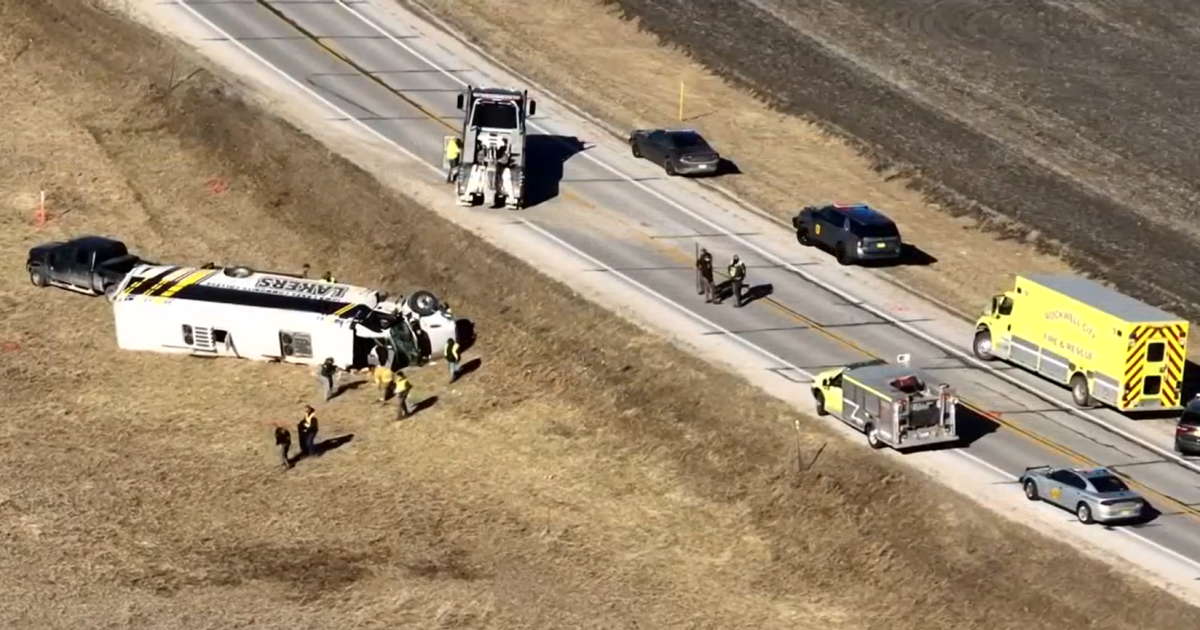
The harrowing accident occurred around 11:00 a.m. on Iowa Highway 4, near 220th Street, just west of Twin Lakes, at a section ominously known as the "Jolly Curve." The bus, transporting the Iowa Lakes Lakers baseball team on their way to Arkansas for a series against North Arkansas College, veered off the road and rolled over two times. This sudden and violent event immediately triggered a large-scale emergency response.
Initial reports from officials with Estherville-based Iowa Lakes Community College confirmed the involvement of their team bus. Soon after, the Iowa State Patrol provided grim updates: of the 33 people on board, one person tragically died at the scene. All 32 other occupants sustained injuries ranging from minor to serious, necessitating an extensive medical operation. The most critically injured were transported by air to major hospitals in Des Moines, specifically UnityPoint's Iowa Methodist Medical Center, while others received care at facilities like UnityPoint Health Trinity Regional Medical Center in Fort Dodge. The Calhoun County Emergency Management Agency coordinated the response, highlighting the severe nature of the incident.
The baseball season for the National Junior College Athletic Association Division Two had only just begun the previous week, adding another layer of poignancy to the untimely interruption of the team's journey. The campus, located about 70 miles north of the crash site, quickly rallied to support its students and staff, releasing statements emphasizing the college's commitment to those affected and their families. For a deeper dive into the immediate aftermath, you can read more about it here:
Iowa Lakes Baseball Bus Crash: A Mass Casualty Incident in Calhoun.
A Community Mourns: The Victims and Their Impact
In the wake of such a tragedy, the focus inevitably shifts to the human cost. Authorities later identified the young life lost in the **Iowa Lakes Baseball Bus Crash** as 19-year-old Carter Johnson. His death sent a profound ripple of grief through his family, friends, teammates, and the entire Iowa Lakes Community College network. Carter, like his teammates, was pursuing his passion for baseball, a dream abruptly cut short.
The remaining 32 team members, though surviving, now face the dual challenges of physical recovery and psychological healing from the trauma of the accident. The incident has left an indelible mark on the tightly-knit community of student-athletes, coaches, and college staff. The Iowa Lakes Lakers' 47-man roster includes 15 players from Iowa, representing various towns, underlining the widespread impact of this local tragedy.
Messages of support poured in from across the nation. The president of North Arkansas College, the team's intended destination, issued a heartfelt statement, acknowledging the far-reaching tragedy and offering unwavering support to Iowa Lakes Community College. Such solidarity underscores the powerful bond within the collegiate sports community, which often functions as an extended family. The pain of this incident extends beyond one campus, touching the lives of countless individuals who understand the dedication and camaraderie inherent in collegiate athletics. More details on the casualties and injuries can be found in this article:
Iowa Lakes Baseball Bus Crash Kills 1, Injures 32 in Calhoun.
The Ongoing Investigation into the Iowa Lakes Baseball Bus Crash
Determining the exact cause of the **Iowa Lakes Baseball Bus Crash** is the critical task facing investigators. The Iowa State Patrol is leading the comprehensive inquiry, a process known for its thoroughness and complexity. While initial reports quickly ruled out some potential factors – notably, weather conditions did not appear to be a contributing element, and no other vehicles were directly involved in the crash itself (though an Iowa Lakes van with six occupants was traveling with the bus) – the underlying cause remains undetermined.
Bus accident investigations are intricate, often requiring extensive technical expertise. Investigators will meticulously examine various aspects, including:
- Vehicle Mechanics: A detailed inspection of the bus's condition, including its tires, brakes, steering system, and engine, to identify any potential mechanical failures.
- Driver Performance: An assessment of the driver's actions, experience, hours of service, potential fatigue, and any distractions at the time of the crash. Black box data, if available, can provide crucial insights into speed, braking, and steering inputs.
- Road Conditions and Environment: Although weather was not a factor, investigators will analyze the specific characteristics of the "Jolly Curve" – road surface, banking, signage, and any potential hazards that might have contributed.
- Human Factors: Beyond the driver, considerations like passenger behavior or any medical emergencies that may have occurred prior to the crash could be explored.
These investigations are not swift; they involve collecting evidence, interviewing witnesses, analyzing crash scene data, and often reconstructing the event. The goal is not just to assign blame, but to understand precisely what happened to prevent similar tragedies in the future. The community, and indeed the entire nation, awaits these findings with a heavy heart, hoping for answers that can bring some measure of understanding to this devastating event.
Understanding Bus Safety and Mass Casualty Response
The **Iowa Lakes Baseball Bus Crash** underscores the critical importance of robust safety protocols for commercial and collegiate transportation, as well as efficient mass casualty incident (MCI) response. While accidents are unpredictable, proactive measures can mitigate risks and improve outcomes.
For institutions like Iowa Lakes Community College that regularly transport students, best practices include:
- Rigorous Driver Training: Ensuring drivers are highly trained, experienced, and regularly assessed, with strict adherence to hours-of-service regulations to prevent fatigue.
- Vehicle Maintenance: Implementing a stringent schedule for bus inspection and maintenance, far exceeding minimum legal requirements, to prevent mechanical failures.
- Safety Equipment: Equipping buses with modern safety features, including functional seatbelts for all passengers, and ensuring passengers are instructed on their use.
- Emergency Preparedness: Developing and regularly practicing comprehensive emergency response plans for various scenarios, including bus accidents.
From a passenger perspective, while one cannot control every aspect of a journey, awareness of basic safety tips can be beneficial. Always wear a seatbelt if available, pay attention to pre-trip safety briefings, and in the event of an emergency, remain calm and follow the instructions of the driver or emergency personnel.
The "mass casualty incident" designation for this crash highlights the coordinated, multi-agency effort required to manage an event with numerous injured individuals. This involves:
- Triage: Rapidly assessing injuries to prioritize care and transport for those most critically hurt.
- Resource Mobilization: Quickly deploying ambulances, air ambulances, fire departments, law enforcement, and medical personnel from multiple jurisdictions.
- Communication: Establishing clear communication channels among responding agencies and with hospitals to ensure efficient patient distribution and care.
Such events test the limits of emergency services, and the response in Calhoun County demonstrated a swift and organized approach to a dire situation.
Conclusion
The **Iowa Lakes Baseball Bus Crash** stands as a profound reminder of the unforeseen dangers that can arise on our roadways and the fragility of life. While the immediate aftermath saw a rapid and compassionate emergency response, the underlying causes of this tragic rollover remain under active investigation. The loss of Carter Johnson and the injuries sustained by his teammates have cast a long shadow over the Iowa Lakes community, prompting reflection on safety, support, and resilience. As authorities meticulously piece together the events of that fateful Wednesday, the hope remains that the findings will not only bring closure to those affected but also contribute to enhanced safety measures, potentially preventing future tragedies and protecting the lives of student-athletes and travelers alike.